10 highlights
From samurai swords to tanks. Iconic and rare items are on display throughout the museum. Here are 10 selected things that you should see on your next visit.
1.
Highlights
A Leopard Ready to Attack
Suddenly, shots rain down on the Danish soldiers. We are in Bosnia in 1994. Operation Bully Bashing is in full swing. The Danish soldiers have ended up in a shootout with the Serbs. It's the first time the Danes use Leopard 1 tanks in direct combat. See a genuine Leopard in the Arsenal Courtyard.
The King’s Arsenal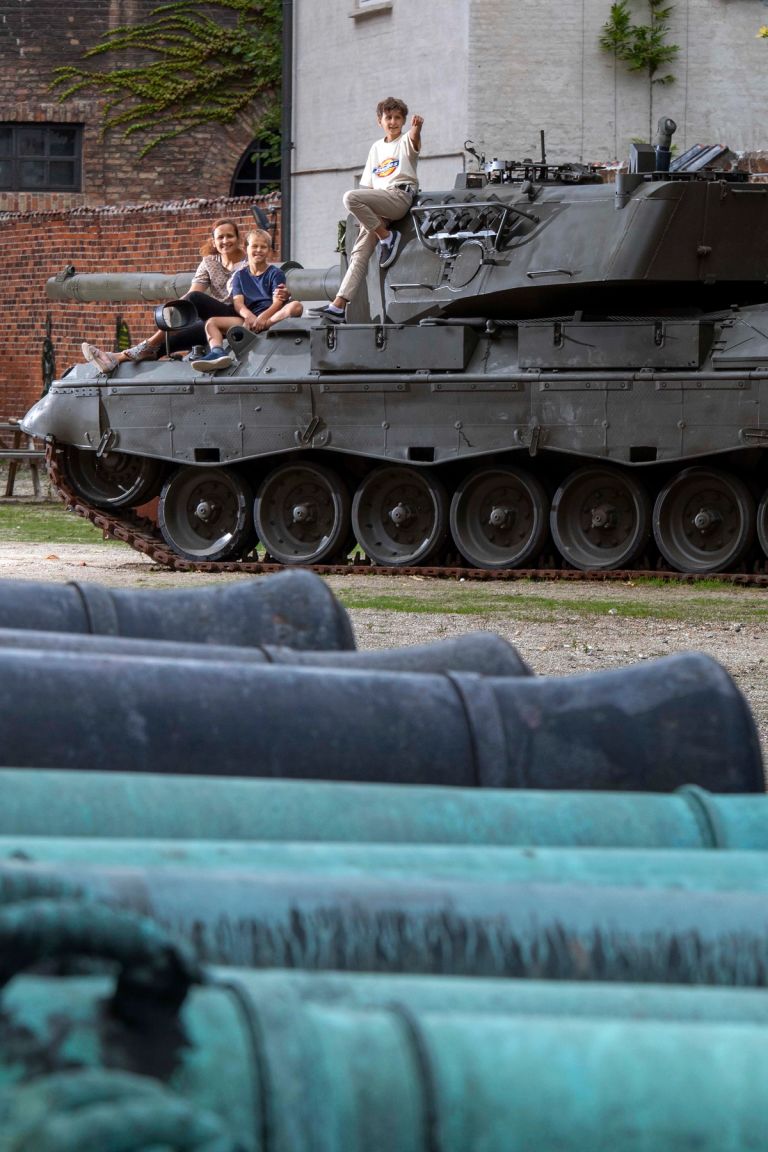
2.
Denmark Never Had Nuclear Weapons, Right?
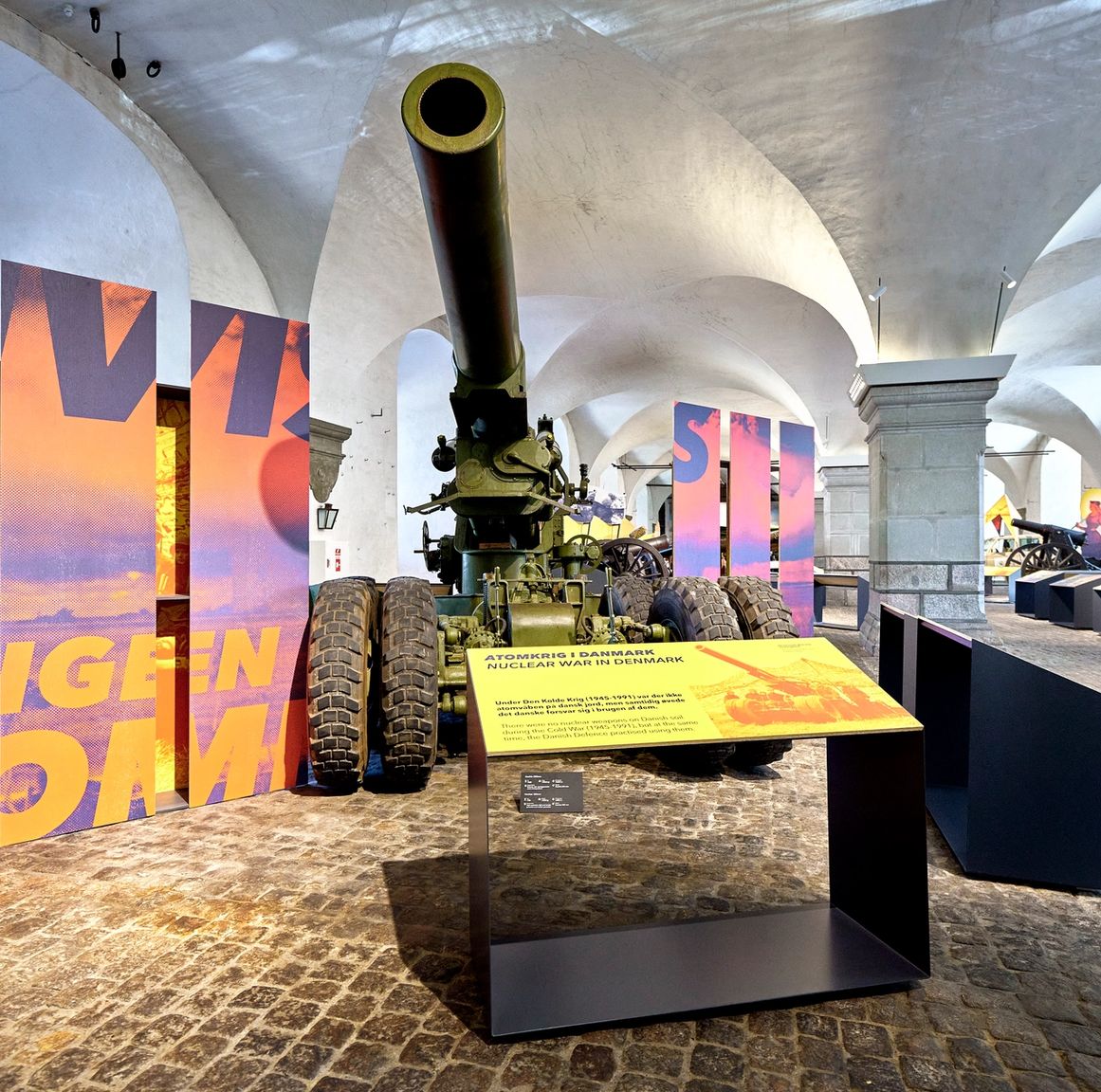
Technically, Denmark did not possess nuclear weapons during the Cold War. However, we had the means to launch them. The 203 mm howitzer on display was capable of firing nuclear shells. See it in the Artillery Hall along with one of the dummy nuclear shells that Danish soldiers trained with - in case the Cold War suddenly turned hot.
The Artillery Hall3. The power, mystery & reuse of the samurai
The Japanese samurai is surrounded by mystery. Traditions and discipline are woven into the warrior's proud spirit. See a samurai armor from 19th century Japan in the exhibition The Treasury. In fact, parts of the helmet date back to the 17th century. It was common for samurai to reuse parts from older armor.
4.
Terrible Tyrant or Mighty Majesty?
Blood flows in the streets of Stockholm. Swedish nobles are being cut down one by one. In the midst of the carnage stands Christian II, who in his thirst for revenge has lured them into a trap. For they have refused to elect Christian as king of Sweden. But the massacre in 1520 ends disastrously for him. See his rare armor in the exhibition.
Denmark at War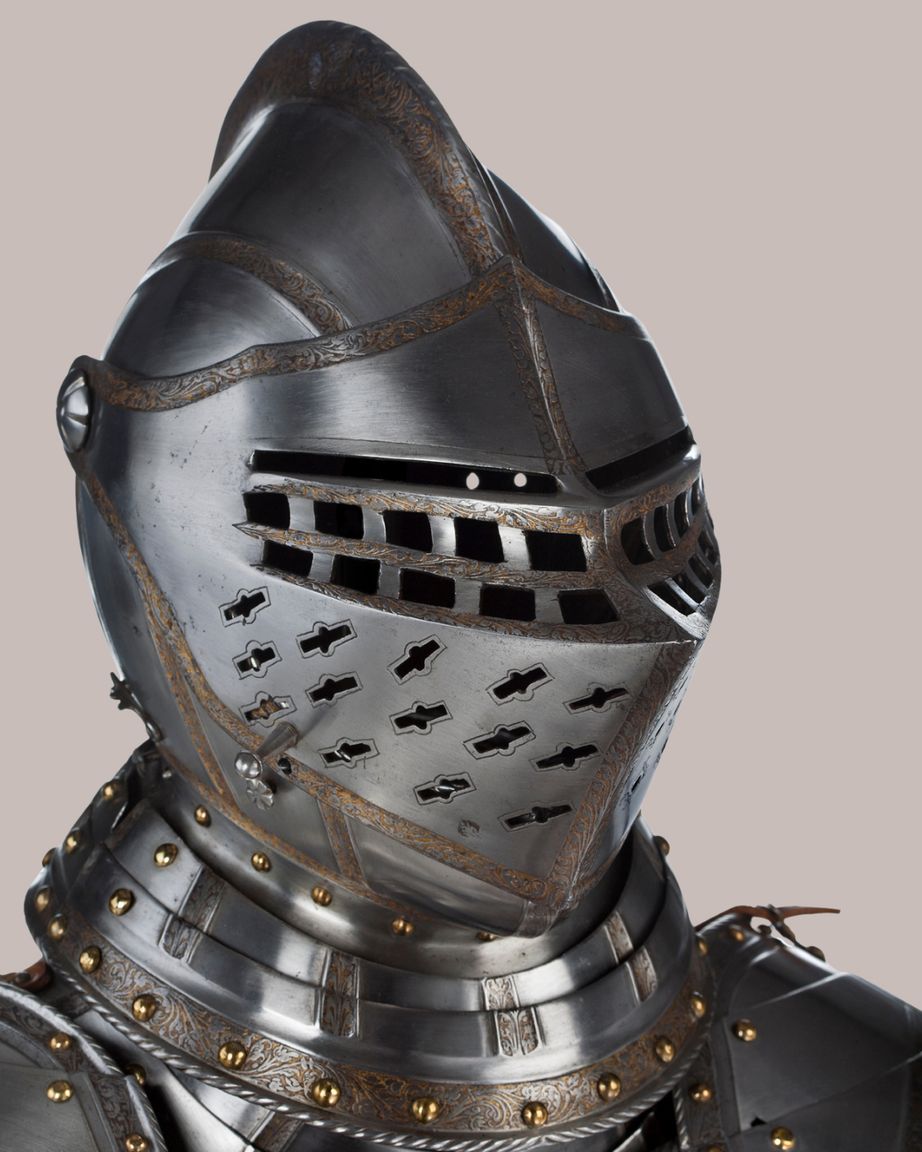
5. Losses and taboos
In war we're allowed to kill, but what does that do to us? What would it do to you? Even though it is unpleasant, we need to understand what war does to people. In the new exhibition 'Warriors' you can meet four iconic warriors from world history. How do they overcome the taboo of killing others?
6.
From Mighty Model to Battle-Ready Warship
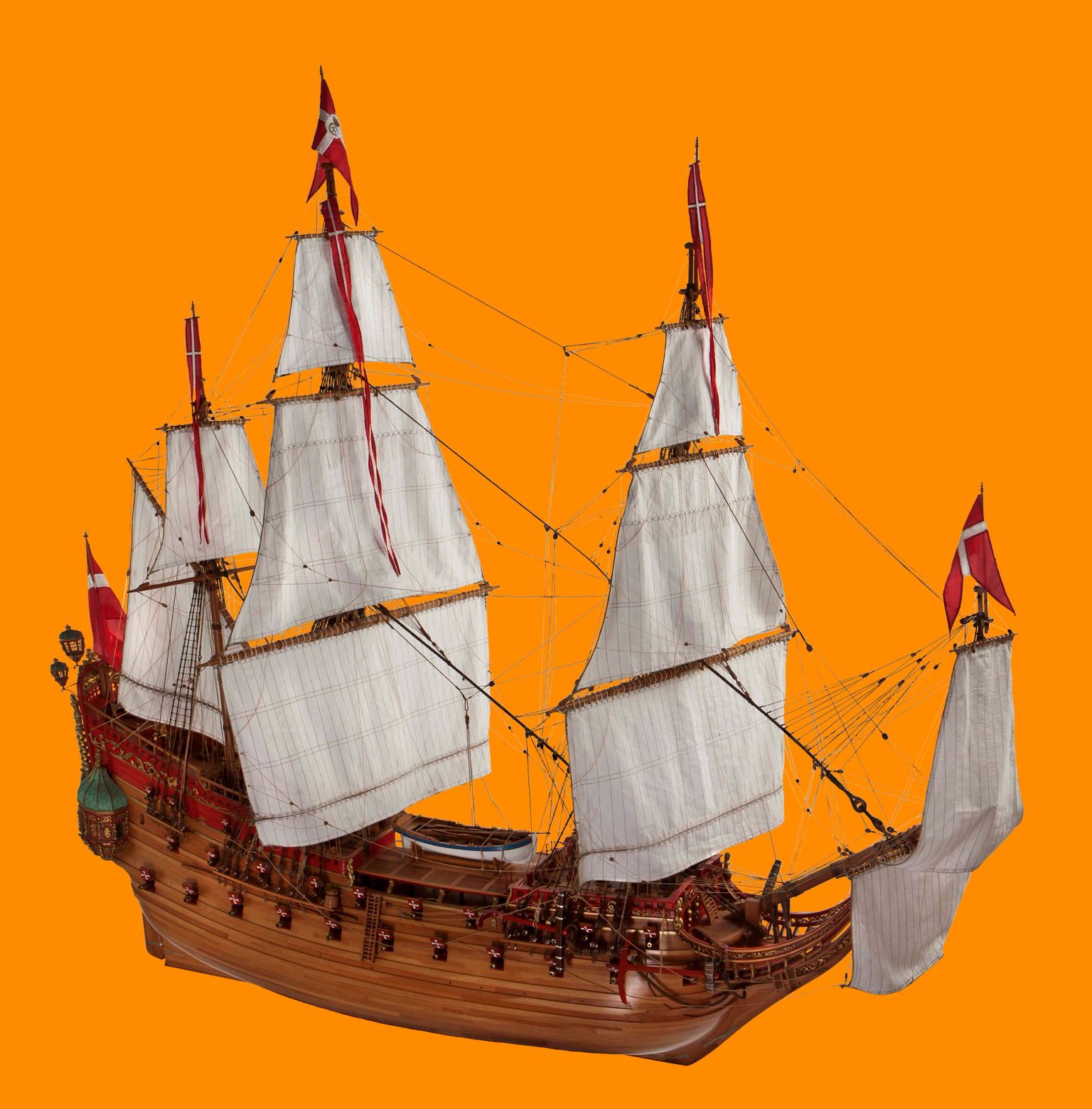
Building a warship was one of the greatest engineering feats of the time. It required extensive knowledge to design, calculate, and construct a large timber ship. Therefore, before the work could commence, a meticulous model was built. The Danish War Museum boasts a large collection of ship models - the oldest dates back to the 1660s.
The Danish Navy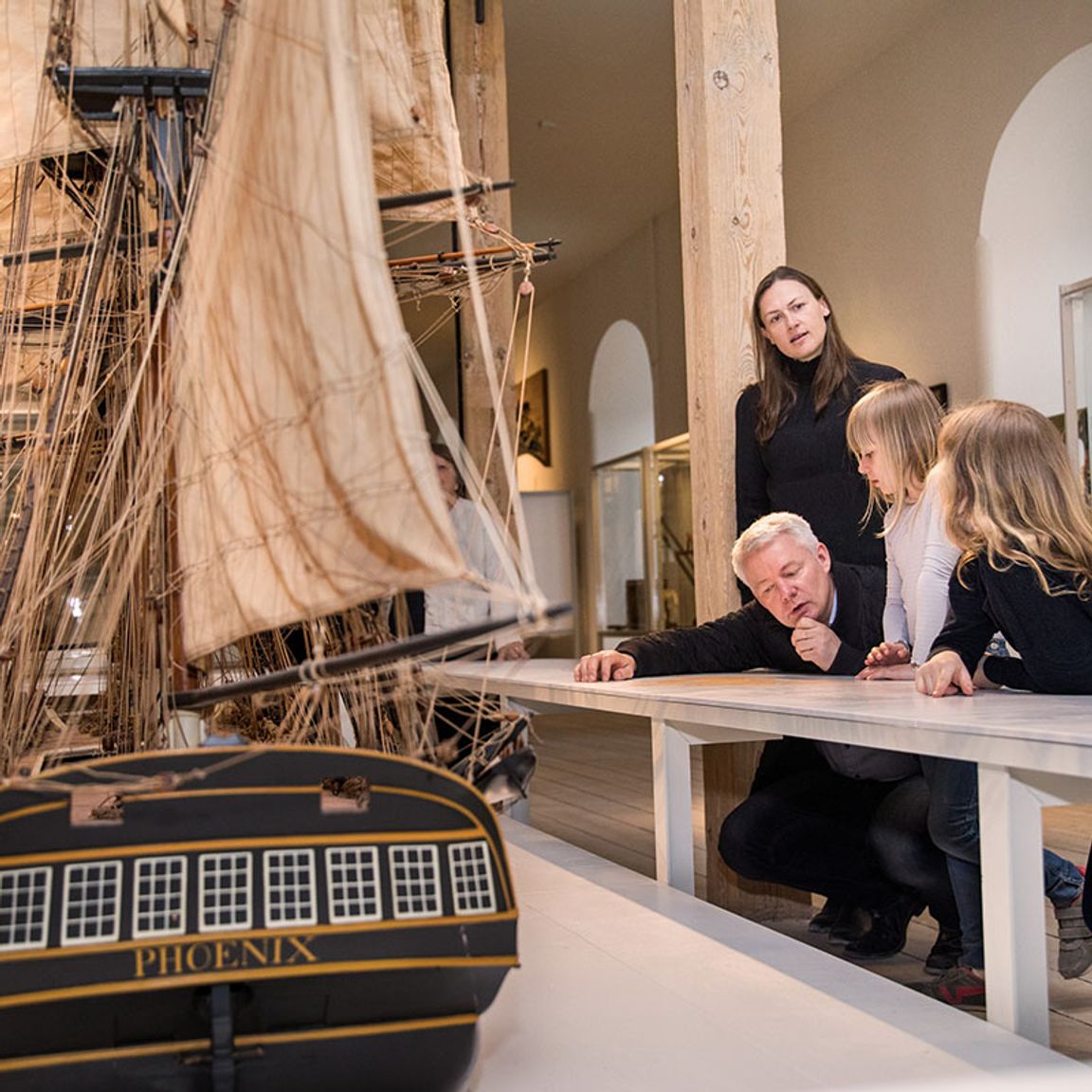
Image gallery
1 / 4
7. Everything can change in just 6 minutes
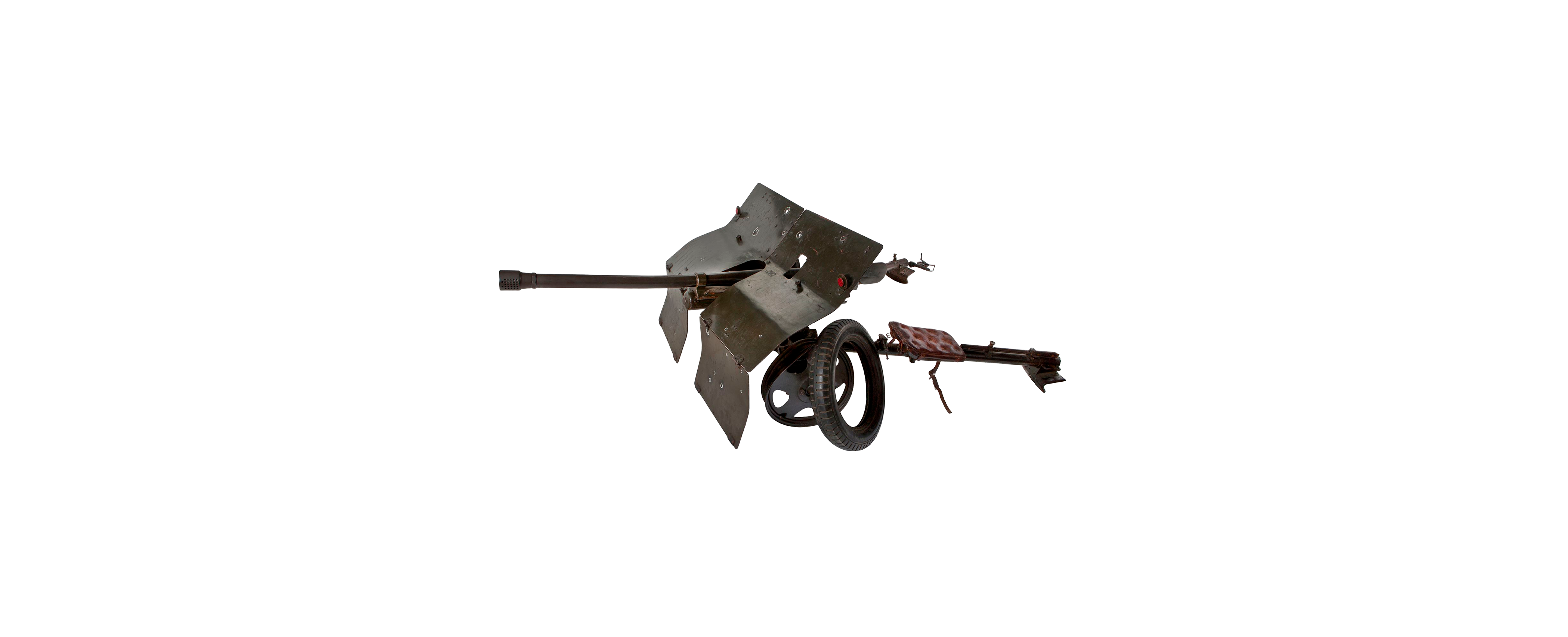
On April 9, 1940, Denmark woke up to the sound of German boots marching in the streets and planes in the sky. Denmark had been occupied by Nazi Germany. See the Danish 37 mm infantry gun from the skirmishes in Haderslev in the exhibition. It neutralized three German armored vehicles before it was overrun. The entire battle lasted only 6 minutes.
2 / 4
8. Cunning sea hero in deadly duel
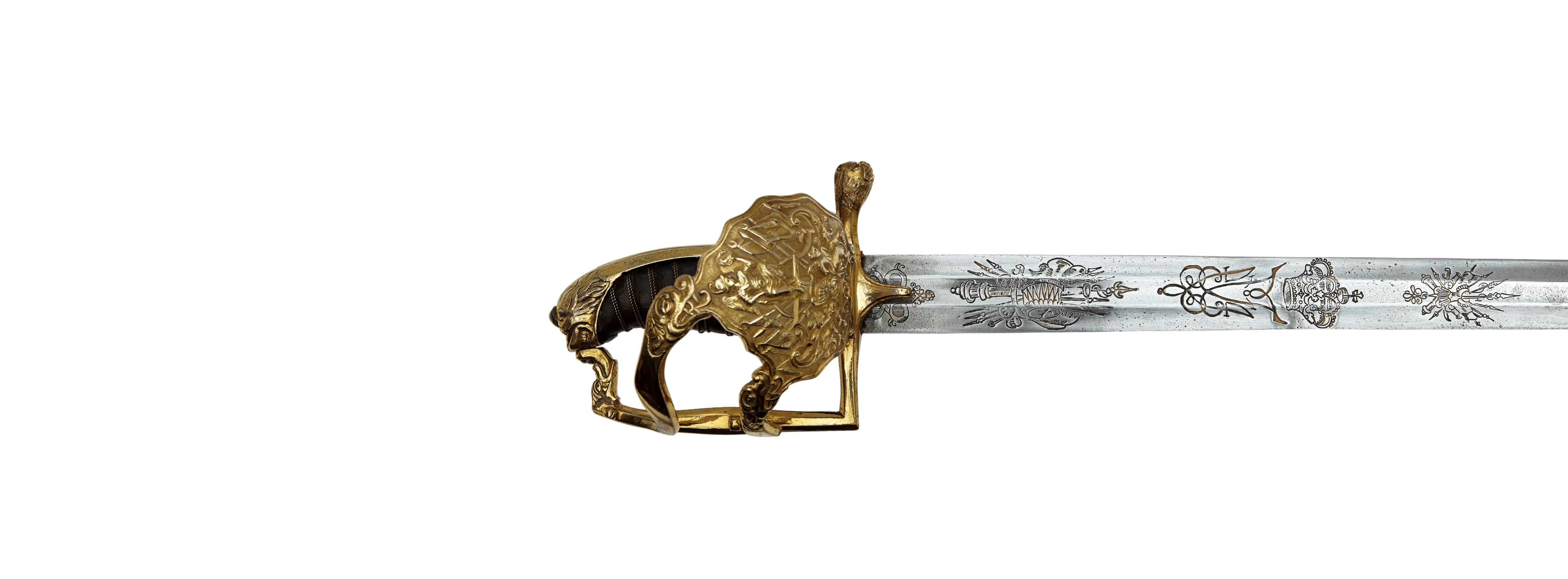
The Danish naval hero Tordenskiold repeatedly outwits the Swedish archenemy during the Great Northern War in the 18th century. With daring and military cunning, he wins major battles at Dynekilen and Marstrand. But when he is only 30 years old, things go awry. Tordenskiold is killed in a duel. The rapier he most likely dueled with can be seen in the exhibition The Danish Navy.
3 / 4
9. To the Top in the Third Reich
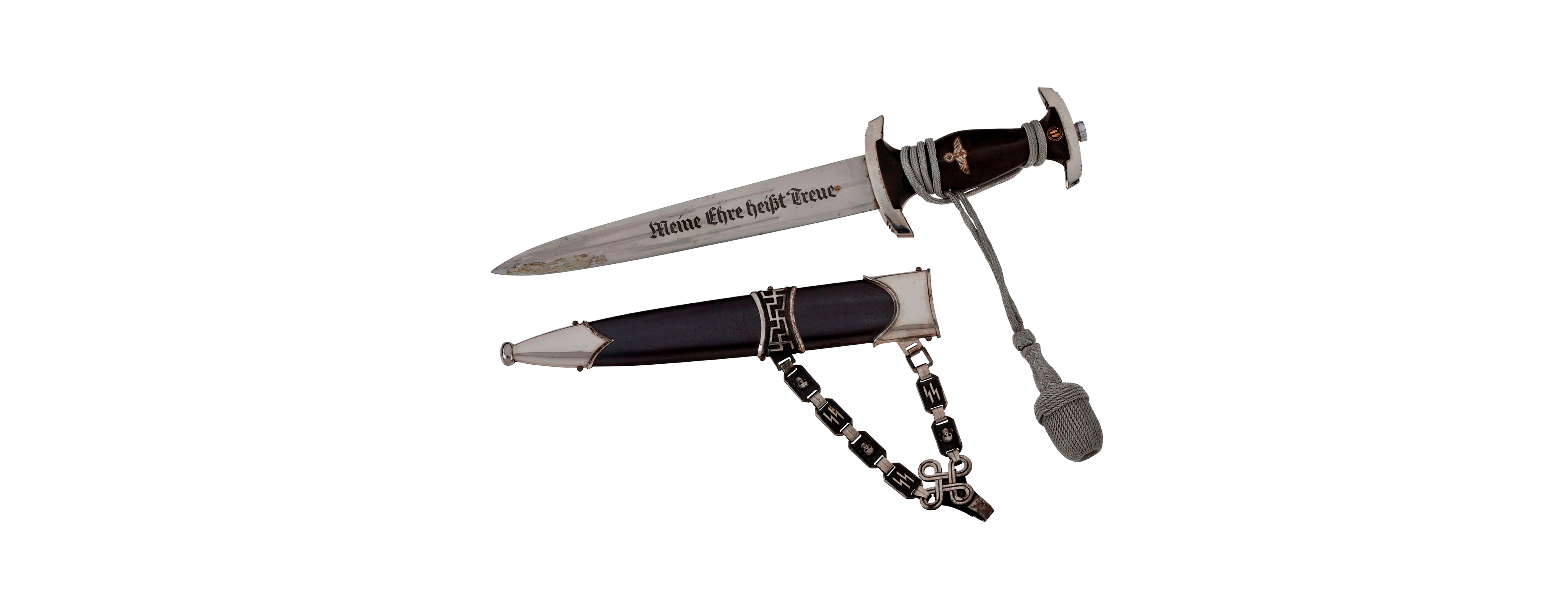
On the dagger it reads: 'My honor is loyalty' written in German. There is no doubt whose side the Danish officer Poul Rantzau Engelhardt was on during World War II. He became the Dane who as a colonel achieved the second-highest rank in Hitler's realm. His Waffen-SS uniform and dagger are on display in Denmark at War.
4 / 4
10. The Glove of Death
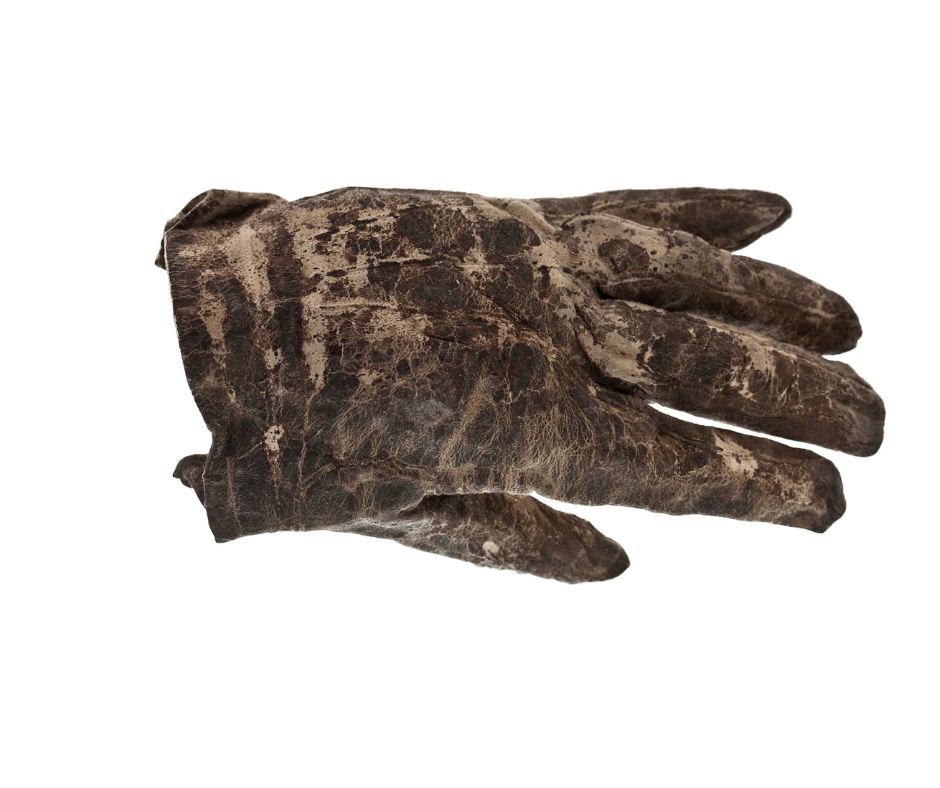
With a daring and incredible military maneuver, the Danish Major General Olaf Rye succeeded in winning a major victory over the Prussians in 1849 – despite the Danish troops being outnumbered. But the victory came at a price: Olaf Rye was shot and killed. In the exhibition Denmark at War, his bloody glove from the battle is on display.