Two men, one dog sledge, and 13 dogs – alone together for months at a time. Sledge teams from the Sirius Dog Sledge Patrol cover almost 5,000 km as they enforce the sovereignty of the Kingdom of Denmark in Northeast Greenland.
SIRIUS is Denmark’s Arctic special force and there is no other unit like it anywhere in the world. But what is it really like to work in such an extreme environment? What role does the patrol play today? Join the patrol.
1.
Born out of a World War
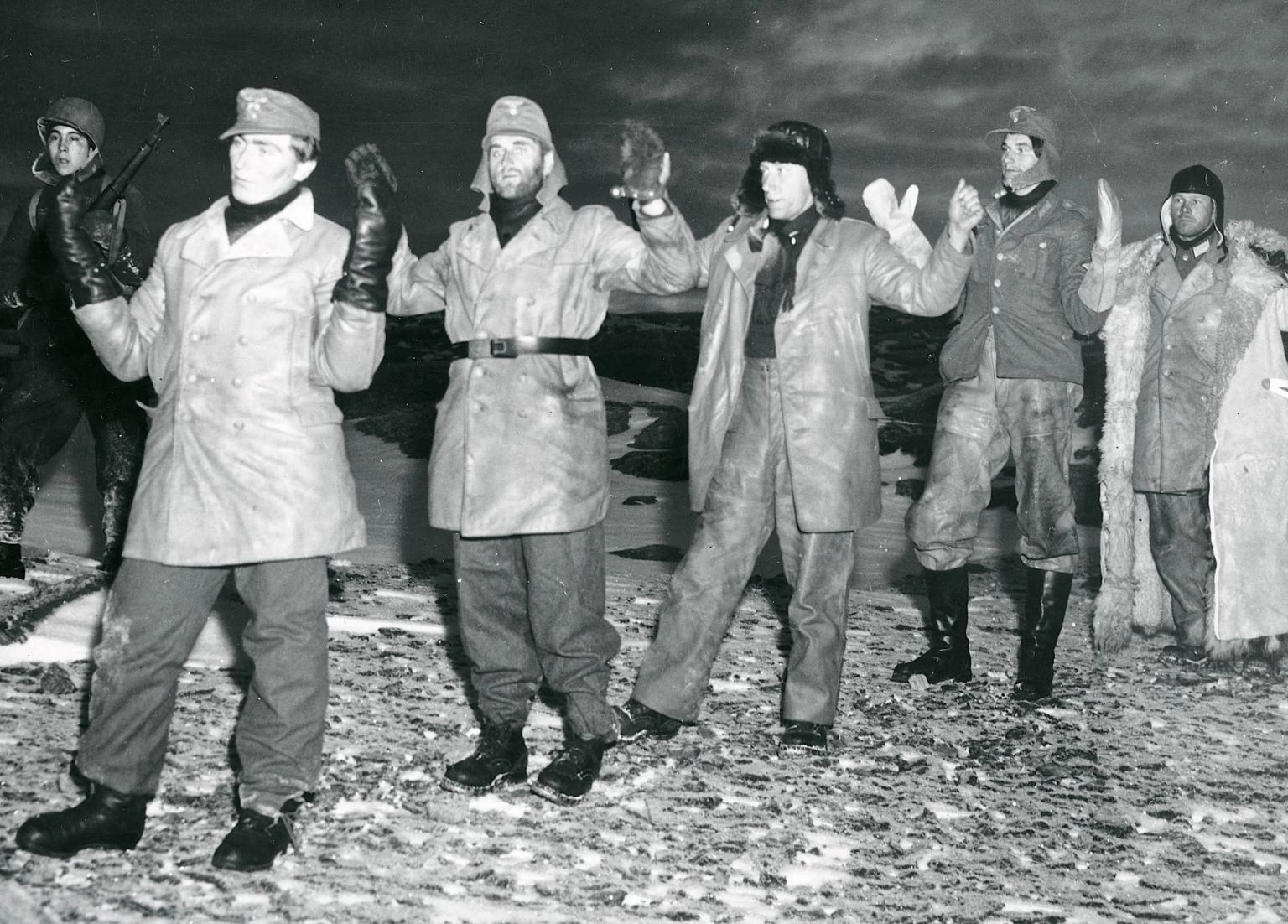
In 1941, Denmark comes under German occupation. Danish authorities in Greenland establish the North‑East Greenland Sledge Patrol, consisting of Danish, Greenlandic, and Norwegian trappers familiar with the territory.
The sledge patrol is tasked with patrolling the rugged coast and warning the Americans of any attempt by the Germans to set up weather stations. Access to weather data from here confers major advantages for planning the war in Europe. Following World War II, the SIRIUS Dog Sledge Patrol is created, taking inspiration from the North‑East Greenland Sledge Patrol.
2.
On patrol
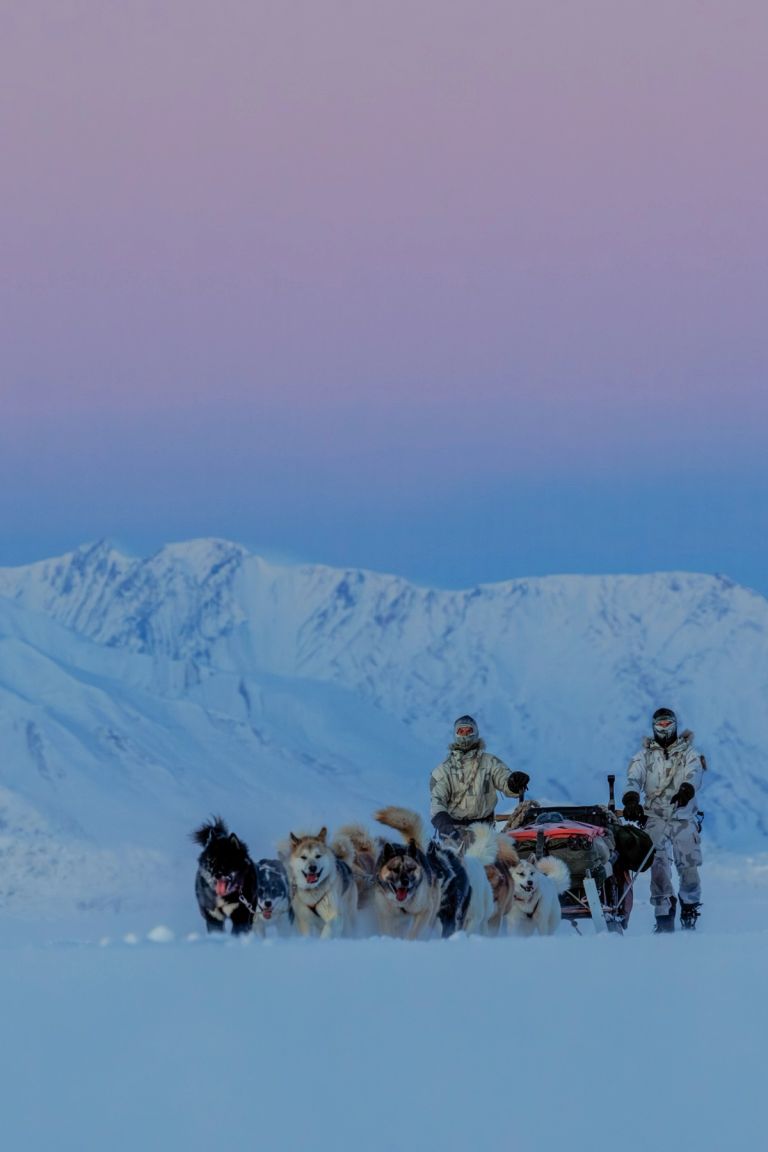
The SIRIUS Dog Sledge Patrol's most important task is to enforce sovereignty of the Kingdom of Denmark by maintaining a physical presence in uninhabited north-eastern Greenland. SIRIUS patrols ensure that foreign powers are not allowed to establish a presence in the area. In addition, SIRIUS is responsible for policing the world’s largest national park, Northeast Greenland National Park. The patrol also assists with search and rescue operations, operates its headquarters at Daneborg Station, and carries out a number of other tasks.
Image gallery
1 / 3
Cold-Weather Firepower
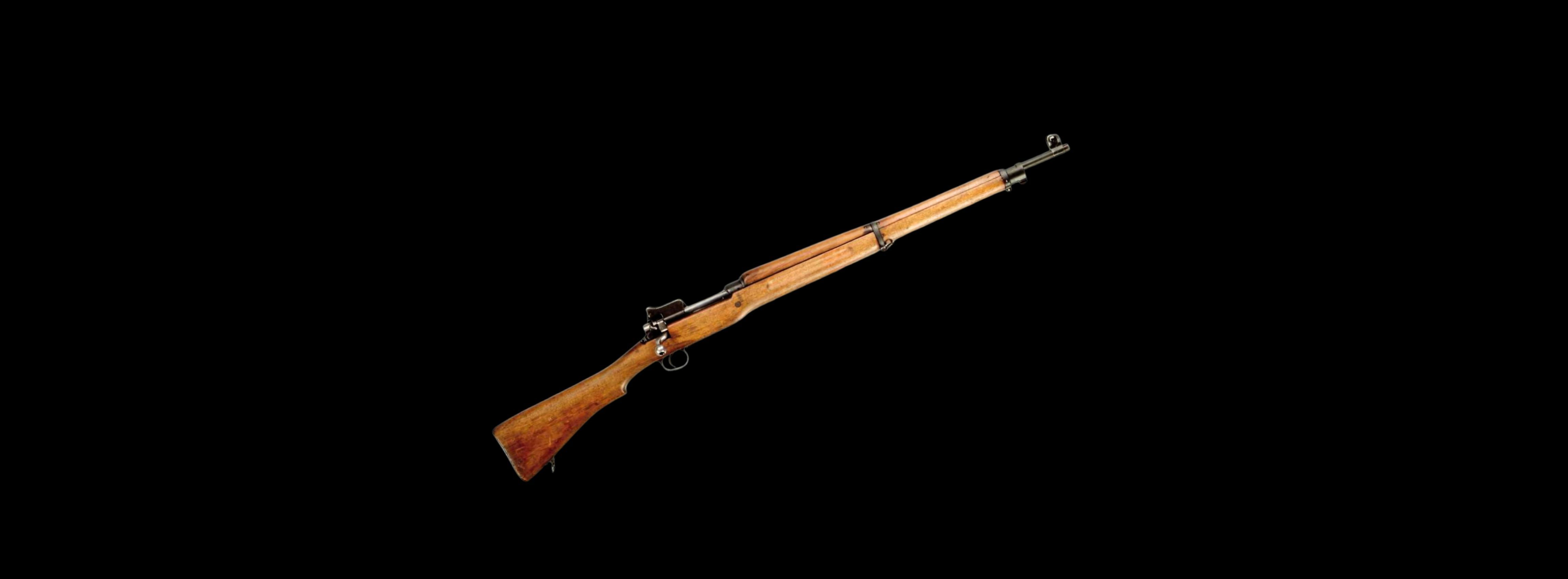
Many firearms perform poorly in the harsh climate of Northeast Greenland. From the 1950s until just a few years ago, SIRIUS used a Model 53/17 rifle in 7.62 mm calibre. The rifle features a bolt-action mechanism, allowing it to function even in extremely low temperatures.

2 / 3
The most important home
The tent is essential for survival during the harsh Arctic winter. It can quickly be heated from -40°C to +30°C. Inside the tent, the patrol carries the essentials, such as stoves, food and a radio. See a SIRIUS tent in the exhibition.

3 / 3
Both soldier and sledge builder
SIRIUS patrolmen build their own sledges inspired by traditional Greenlandic sledges. However, the patrolmen do not sit on the sledges. Instead, they wear skis and run alongside the sledges. The sledges themselves are used to transport the patrol's supplies and equipment.
3.
The wildest workplace
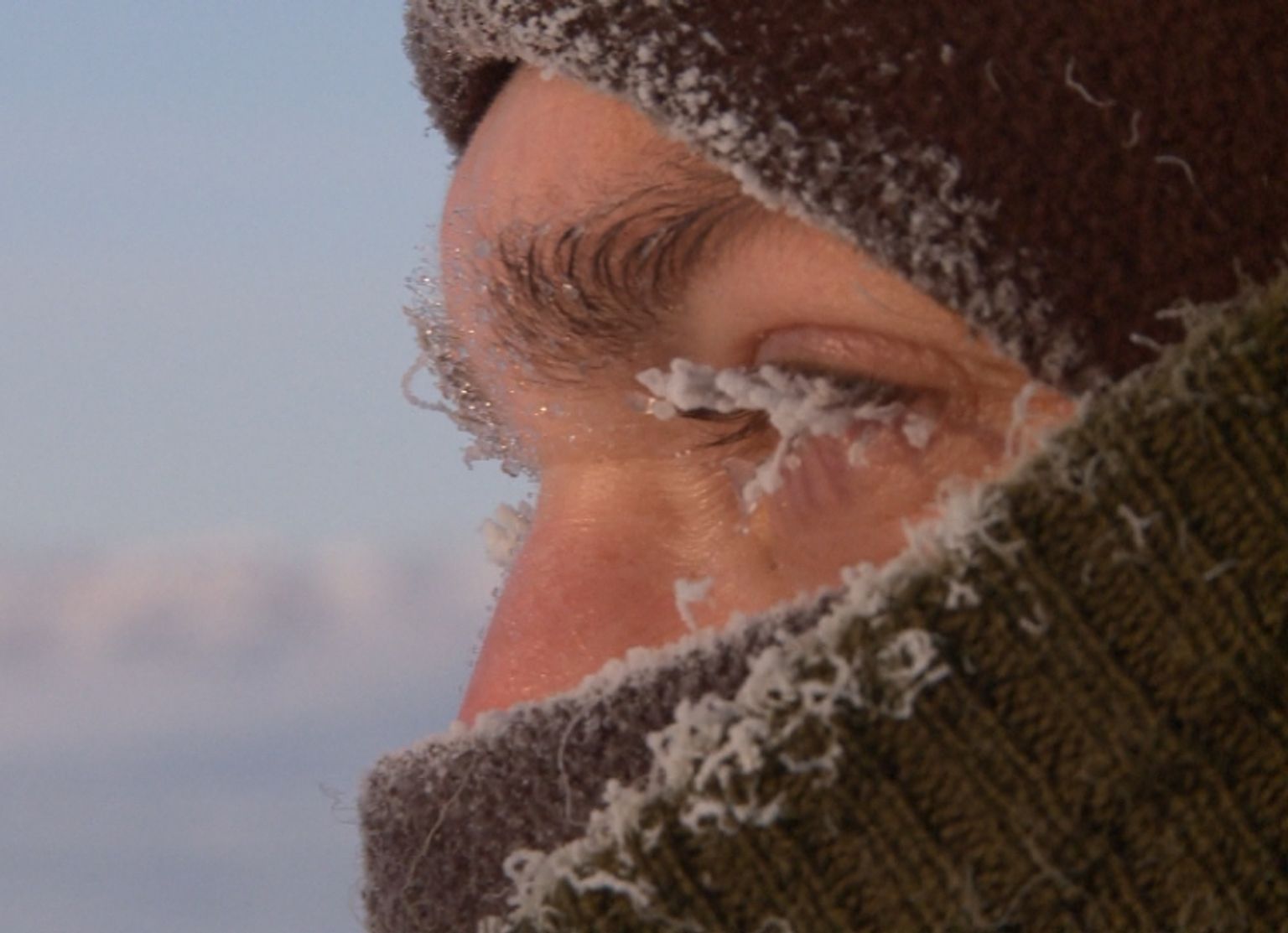
Being part of the SIRIUS Dog Sledge Patrol is not for the faint-hearted. Patrols take place in challenging terrain and weather conditions that can include sudden snowstorms and temperatures as low as -50°C. At times, the weather can be so extreme that even Hercules aircrafts are unable to land. During the 4–5-month-long sledge patrols, the two men on each team live in complete isolation with each other, their sledge dogs and the wilderness, where encountering a polar bear is not uncommon. On average, SIRIUS patrol members lose 10 kilograms during these extreme conditions.
4.
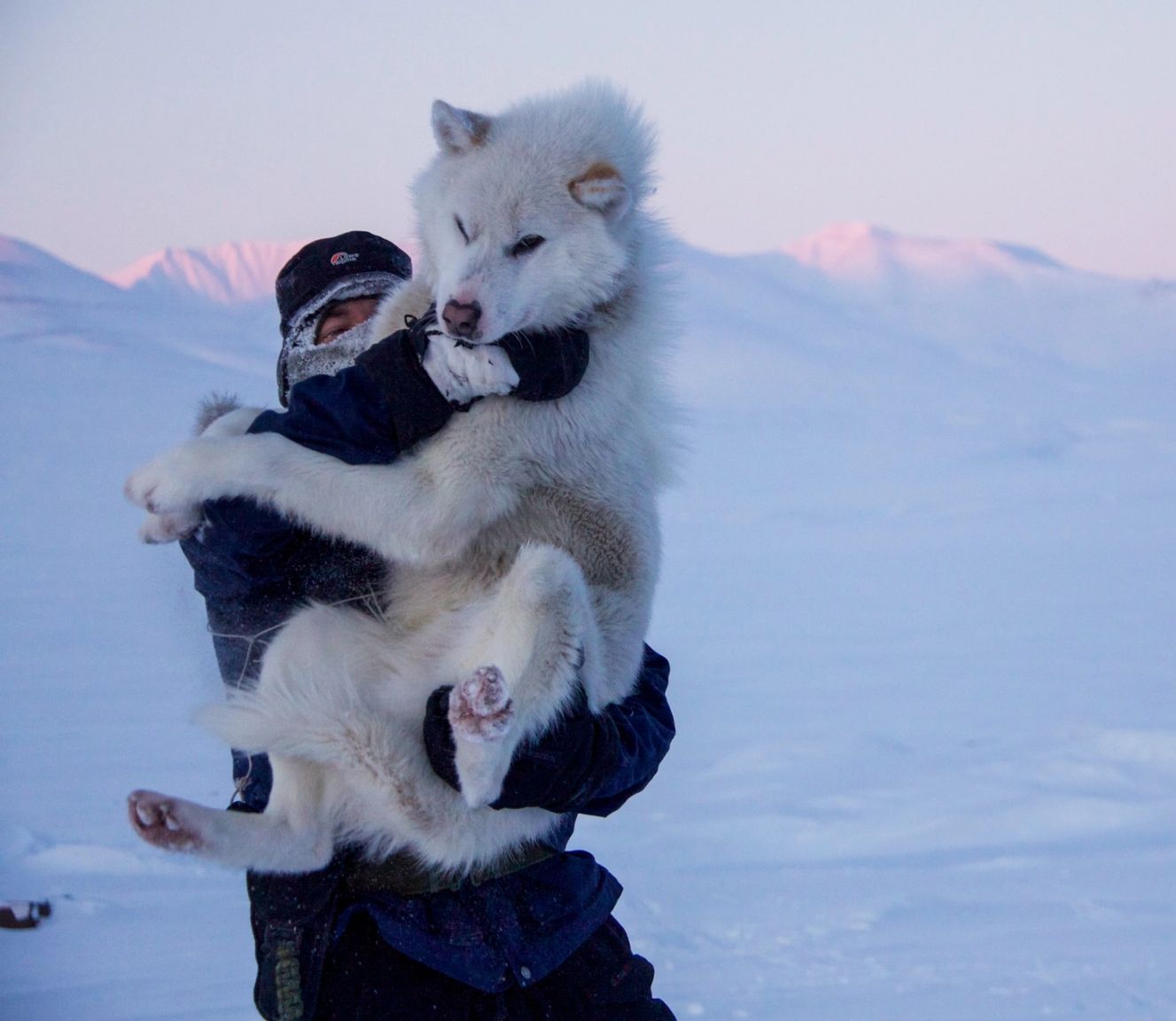
A Furry Friend
Ferocious snowstorms and temperatures as low as -50°C demand a special kind of dog. SIRIUS breeds its own sledge dogs, which are larger than other Greenlandic sledge dogs. Each sledge team comprises 13 dogs. The lead dog is responsible for keeping the team together. Out of all the dogs on the team, the lead dog is usually also the strongest, smartest, or both. This dog takes the frontmost position, guiding the other dogs.
A changing future
As a centrally located territory within the Arctic region, Greenland serves as a defensive outpost for NATO and North America. This comes with new requirements for the SIRIUS Dog Sledge Patrol and Denmark's continued military presence in Greenland. A new, high-mobility unit is extending SIRIUS's range and capabilities. Using snowmobiles, fast boats, and parachutes, the unit can be deployed anywhere in Greenland. The changing situation in the Arctic has led Denmark to invest heavily in its military presence in the region. Infrastructure, new patrol boats, drones, and aircraft are being added.
Image gallery