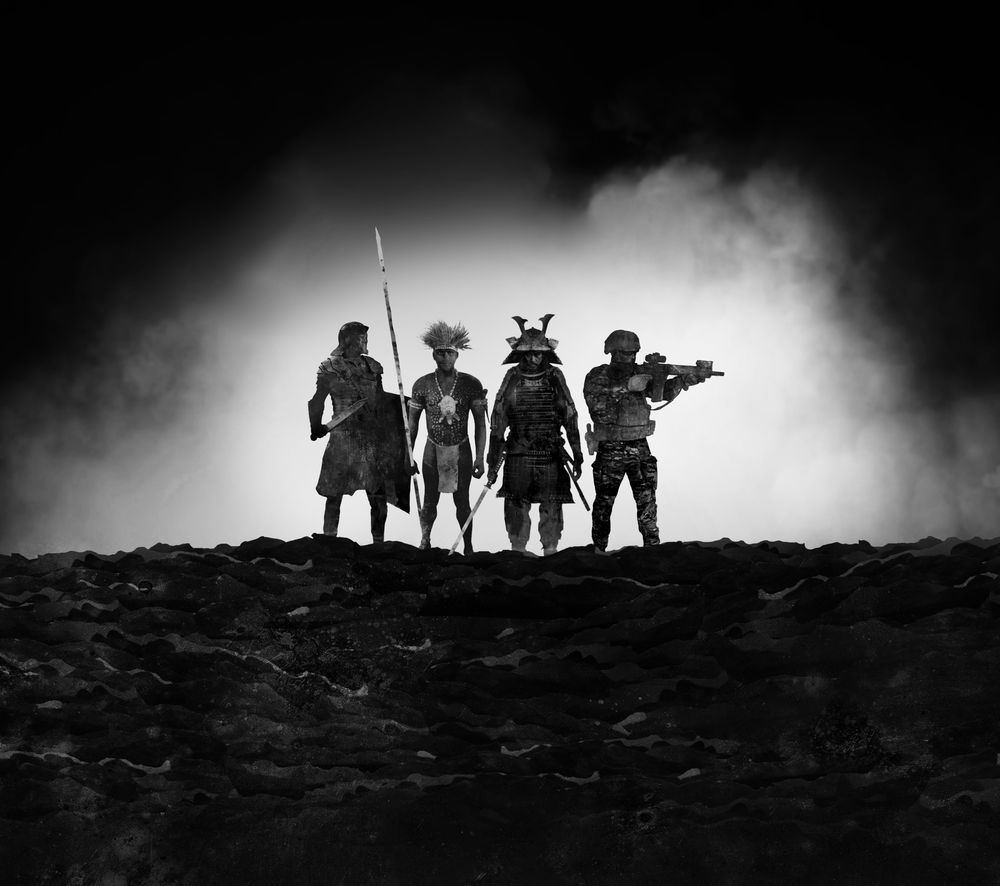
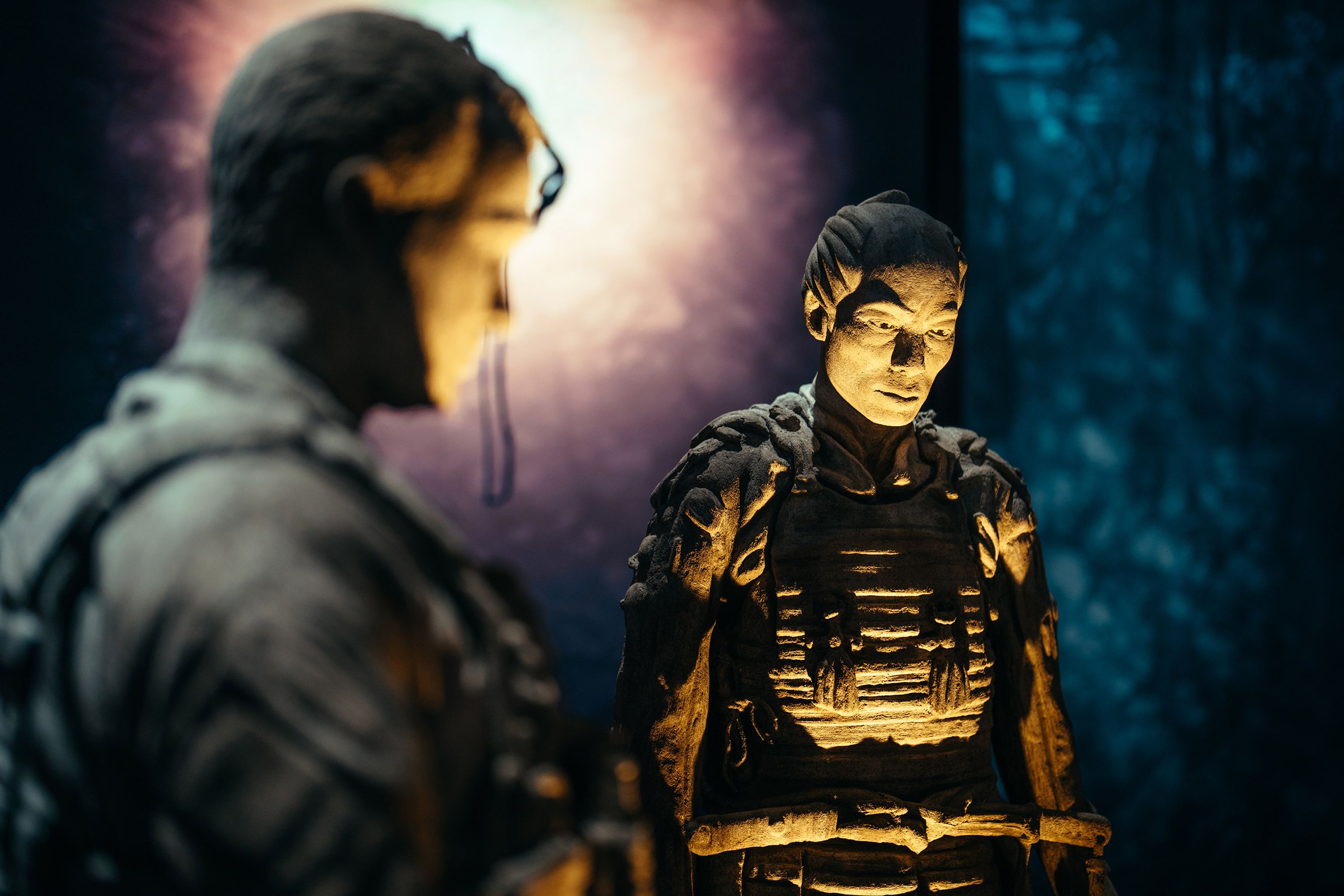
We have always gone to war, but what does it actually do to a person to become a warrior?
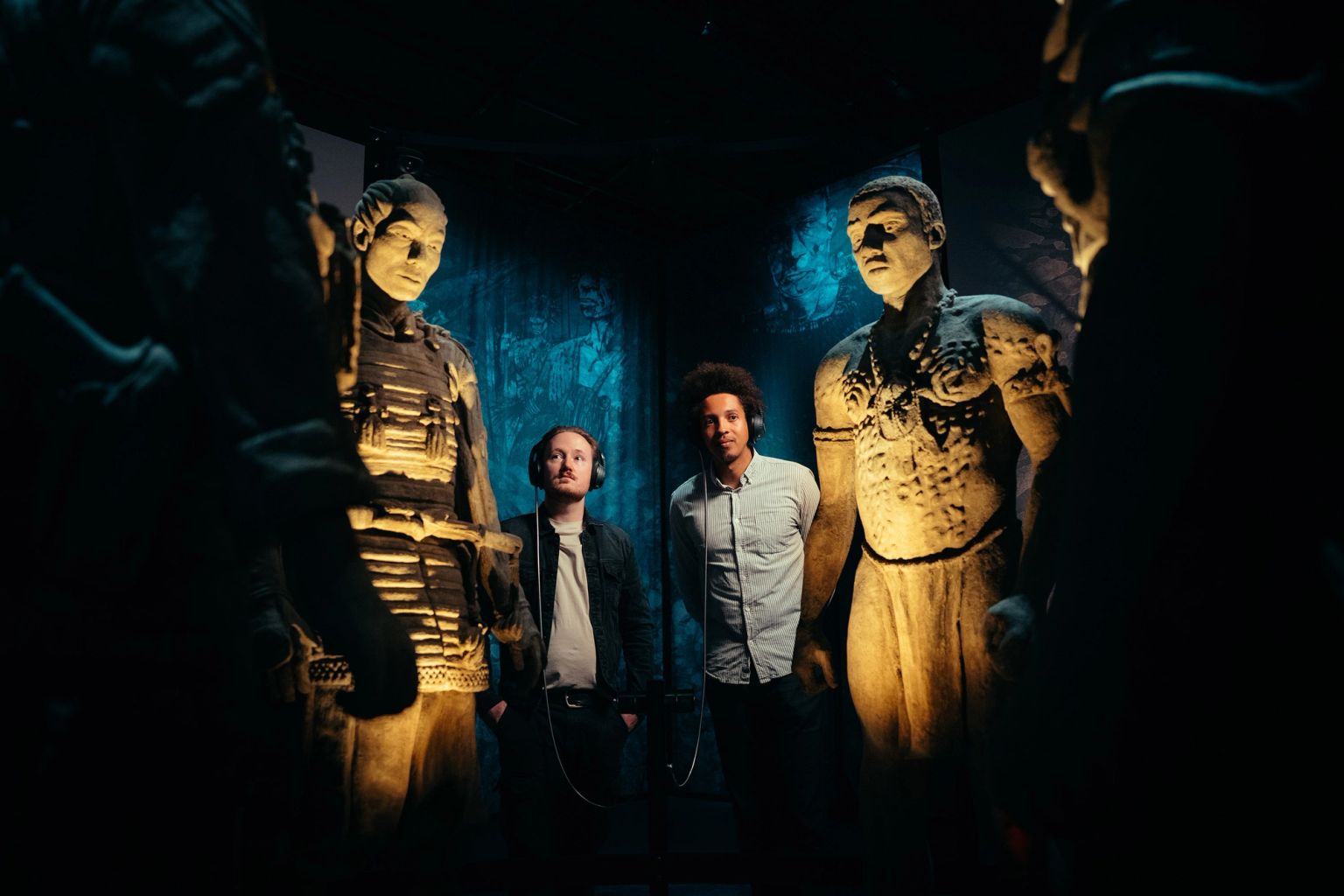
Together with the students we get very close to the warrior from Papua New Guinea, the Japanese samurai, the Roman legionnaire and the modern Danish soldier. Four warriors from different countries and from different time periods. We take a closer look at the differences in their beliefs, their training and their motives for going to war. Based on these, we visit the exhibition together and discuss themes such as the rules of war, the consequences of war and how to become part of society again.
1.
Samurai – born a warrior
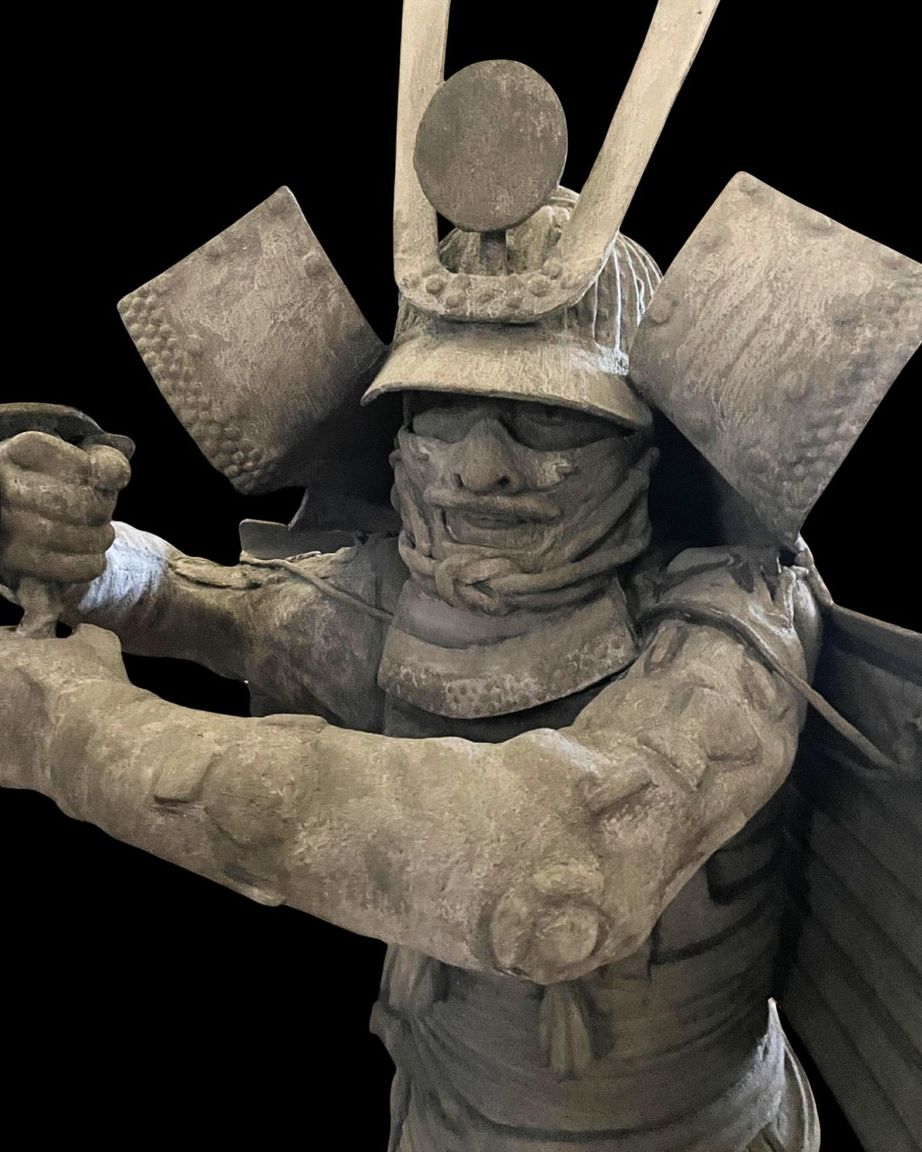
Wearing protective armor, the samurai raises his sharp sword, the Katana, against his opponent. Since childhood, he has been trained to become a warrior – first with a wooden sword and later with sharp blades. Honor means everything. If the samurai does well in battle, it brings prestige for generations. If he fails, it brings shame to the family, and the samurai must cut open his stomach and commit seppuku - ritual suicide - to restore honor. In the course the students will meet a samurai from around the year 1600.
2.
The Roman Legionary – Fighting for the Emperor
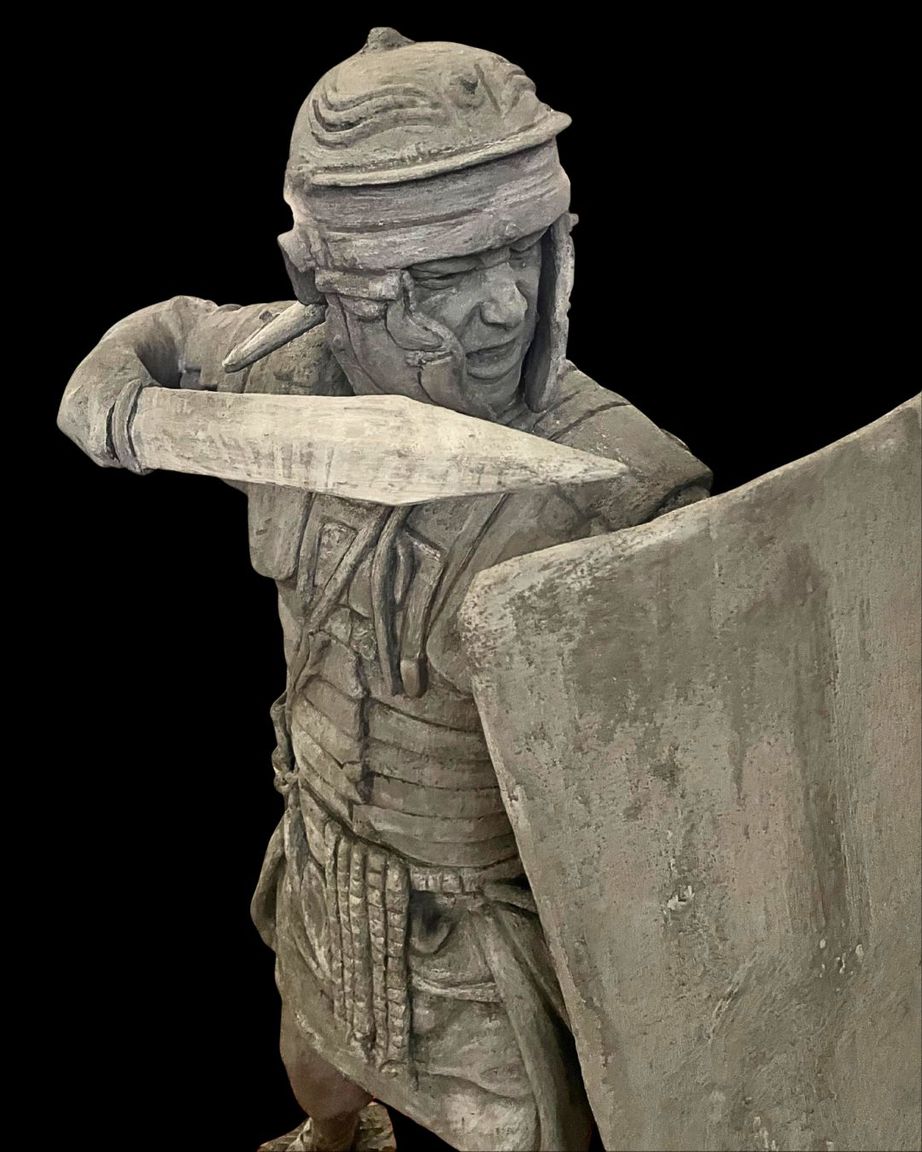
Becoming a Roman legionary requires strict discipline and tough physical training. It’s training from morning till night, during which the men must, among other things, march 30 kilometers carrying a 50-kilogram pack. When the warrior training is complete, there is one final, crucial task the legionaries must perform before joining the ranks of the warriors: to swear allegiance to the emperor and, if necessary, fight to the death for the Roman Empire. In the course the students will meet a Roman legionary from around the year 100.
Image gallery
1 / 3
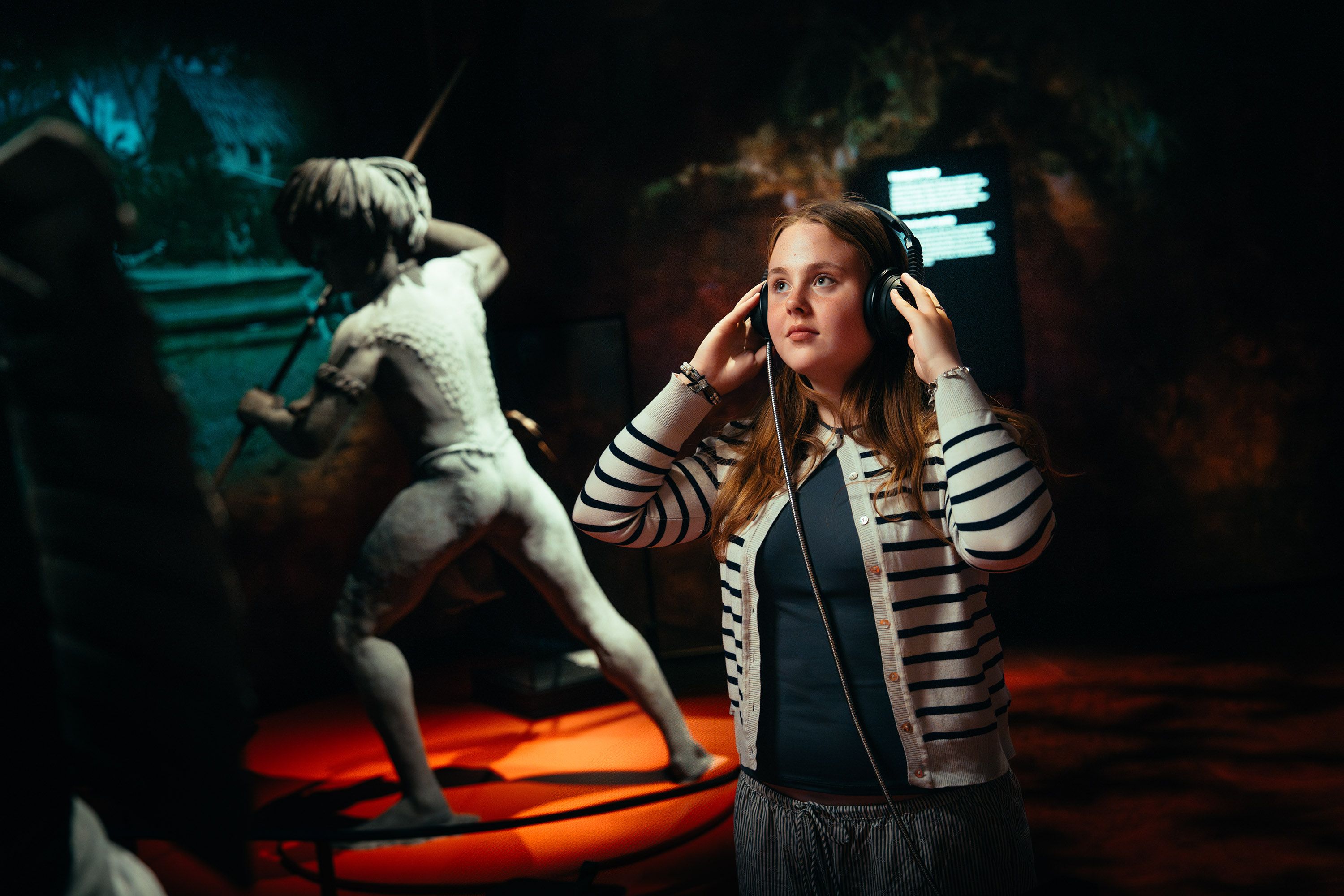
Meet the warrior
What is it like to be a warrior before, during and after battle? Find out more in the course 'The warrior's universe'.
2 / 3
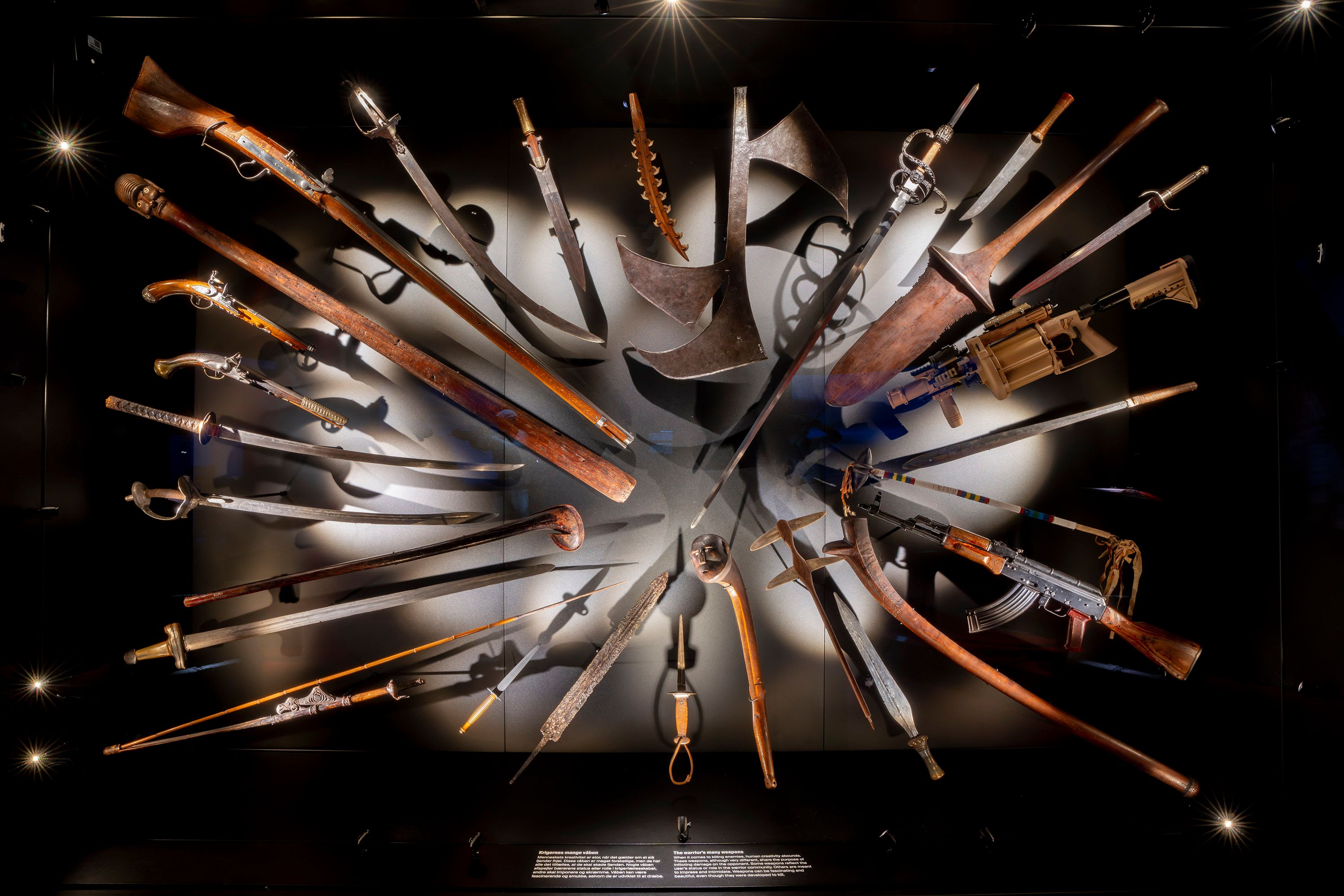
Creative killers
Human creativity has been great when it comes to developing weapons to kill the enemy. See some of them in the course.
3 / 3
Who can kill?
In most societies, killing is taboo, but that is exactly what we ask the warrior to do. But how does one return to society after taking a life? Get some perspectives during the course.
3.
Danish Soldier – A Voluntary Choice
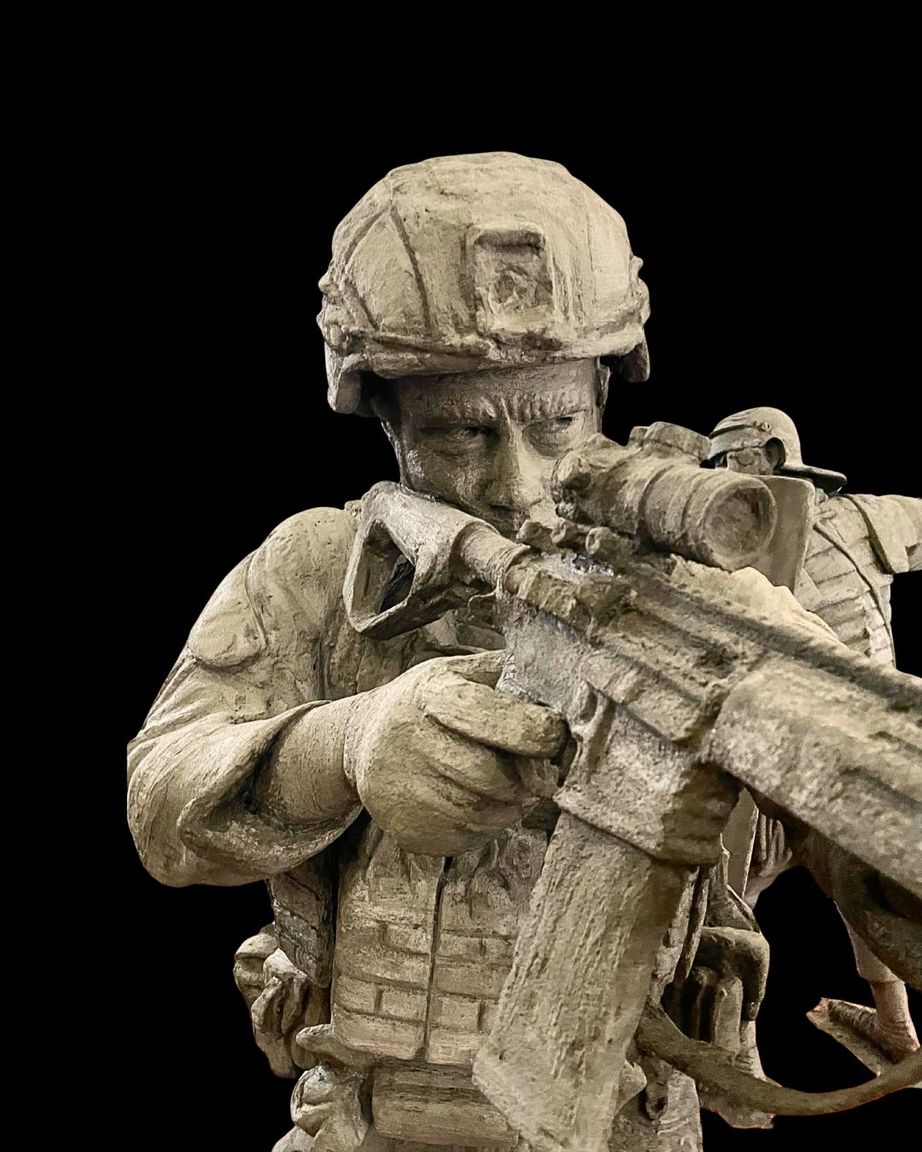
The Danish soldier has voluntarily chosen to go to war. The equipment is top-notch, including a helmet, goggles, and a protective vest with metal plates on the back and chest to guard against flying projectiles and fragments. With the M/10 rifle in hand and the company insignia on their uniform, the soldier is ready to put their rigorous warrior training to the test – now the battle begins. In the course, the students will meet a modern Danish soldier.
4.
Sepik warrior – Driven by a warrior spirit
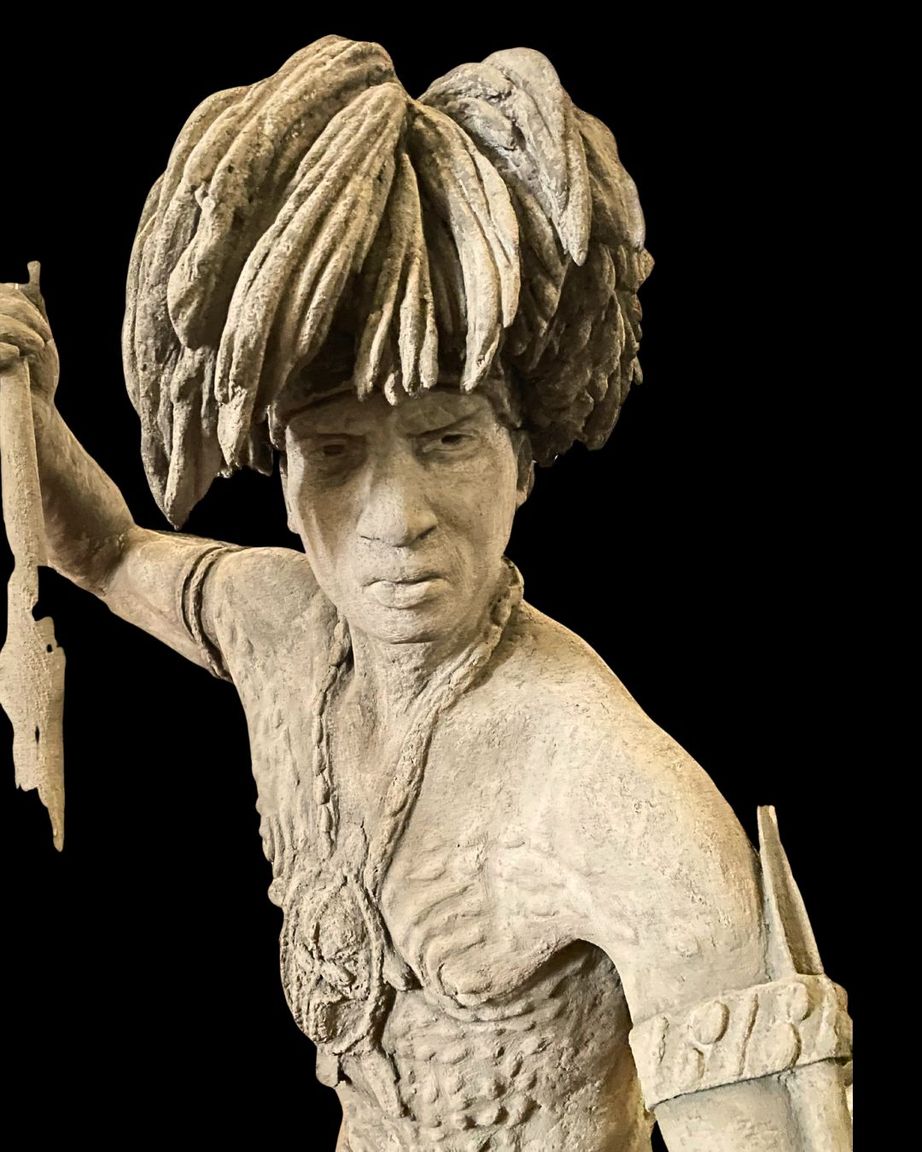
From childhood, the warrior spirit is cultivated in the future Sepik warrior. In Papua New Guinea’s Sepik region, war is ritualistic – it is not about politics or conquering land, but about symbolic power. Before battle, the warrior spirits must be summoned to possess the Sepik warrior, who must undergo rituals in order to be able to kill. After the battle, the warrior is beaten with branches by the village women to drive the warrior spirit out again. In the course, the students will meet a Sepik warrior from the 1920s.
Aims
Primary education
The student practices skills such as discussing and arguing and presenting their position.
The student reflects on the consequences of the war.
The student can put their own and others' historical narratives into perspective in time and space.
The student can reflect on how society sends people to war and receives them back.
Secondary education
Different forms of government and social organizations.
Different text types and media, including visual and multimodal texts.
Social changes and the relationship between actor and structure.
A special bond
Warriors who have fought together share extreme experiences that may be difficult for others to understand. This creates a strong community that lives on long after the battle, when the warrior has returned to everyday life.
Please let us know which program for youth education you would like to book. Once you have provided your preferences, we will contact you as soon as possible.
YOU WILL MEET FOUR DIFFERENT WARRIORS: A JAPANSESE SAMURAI, A ROMAN LEGIONARY, A MODERN DANISH SOLDER, AND A SEPIK WARRIOR FROM PAPUA NEW GUINEA. WHAT MOTIVATES THEM TO GO TO WAR? WHAT DO THEY BELIEVE IN? AND HOW DO THEY TRAIN? TOGETHER, YOU WILL EXPLORE THE RULES OF WAR AND HOW THE WARRIOR OVERCOMES THE TABOO OF KILLING IN ORDER TO ONCE AGAIN BECOME PART OF SOCIETY.
1.
Samurai – born a warrior
Wearing protective armor, the samurai raises his sharp sword, the Katana, against his opponent. Since childhood, he has been trained to become a warrior – first with a wooden sword and later with sharp blades. Honor means everything. If the samurai does well in battle, it brings prestige for generations. If he fails, it brings shame to the family, and the samurai must cut open his stomach and commit seppuku - ritual suicide - to restore honor. In the course you will meet a samurai from around the year 1600.
2.
The Roman Legionary – Fighting for the Emperor
Becoming a Roman legionary requires strict discipline and tough physical training. It’s training from morning till night, during which the men must, among other things, march 30 kilometers carrying a 50-kilogram pack. When the warrior training is complete, there is one final, crucial task the legionaries must perform before joining the ranks of the warriors: to swear allegiance to the emperor and, if necessary, fight to the death for the Roman Empire. In the course you will meet a Roman legionary from around the year 100.
Image gallery
1 / 3
Meet the warrior
What is it like to be a warrior before, during and after battle? Find out more in the course 'The warrior's universe'.
2 / 3
Creative killers
Human creativity has been great when it comes to developing weapons to kill the enemy. See some of them in the course.
3 / 3
Who can kill?
In most societies, killing is taboo, but that is exactly what we ask the warrior to do. But how does one return to society after taking a life? Get some perspectives during the course.l
3.
Danish Soldier – A Voluntary Choice
The Danish soldier has voluntarily chosen to go to war. The equipment is top-notch, including a helmet, goggles, and a protective vest with metal plates on the back and chest to guard against flying projectiles and fragments. With the M/10 rifle in hand and the company insignia on their uniform, the soldier is ready to put their rigorous warrior training to the test – now the battle begins. In the course, you will meet a modern Danish soldier.
4.
Sepik warrior – Driven by a warrior spirit
From childhood, the warrior spirit is cultivated in the future Sepik warrior. In Papua New Guinea’s Sepik region, war is ritualistic – it is not about politics or conquering land, but about symbolic power. Before battle, the warrior spirits must be summoned to possess the Sepik warrior, who must undergo rituals in order to be able to kill. After the battle, the warrior is beaten with branches by the village women to drive the warrior spirit out again. In the course, you will meet a Sepik warrior from the 1920s.
A special bond
Warriors who have fought together share extreme experiences that may be difficult for others to understand. This creates a strong community that lives on long after the battle, when the warrior has returned to everyday life.